
Iris Hoffmann MaurilioGerente de Marketing na Macler

According to ABIPLA (Brazilian Association of Manufacturers of Hygiene, Cleaning, and Sanitizing Products for Household and Professional Use), after two years of maintaining the all-time production record set in 2019, Brazil’s sanitizing products sector ended 2022 with a 5.7% decline in performance.
Meanwhile, the Personal Hygiene, Fragrance, and Cosmetics sector recorded 8.5% growth from January through September 2022, according to a survey by ABIHPEC (Brazilian Association of the Personal Hygiene, Fragrance, and Cosmetics Industry).
In addition to all the challenges faced by a market suffering from intense cost pressures and high levels of informality, in order to maintain growth, the industry must remain attentive to the consumption habits and preferences of the population, which have been changing with increasing frequency and have been influenced by the COVID-19 pandemic and growing environmental concerns.
Read more and download our e-book on sustainable formulations.
Focus on Cost-Effectiveness and Multifunctionality
Brazilian consumers, who are increasingly price-sensitive, have also become more selective about the products they purchase.
This results in more rational choices and a search for technological and multifunctional products that simplify daily hygiene and cleaning routines. Part of this is due to a shift in lifestyle behavior, which focuses on physical, emotional, and socio-environmental well-being.
In household cleaning, products that offer benefits beyond their intended purpose are gaining popularity on store shelves. According to Kimberly-Clark, 70% of Brazilians expect product technology to make household chores easier.
In the cosmetics sector, consumers have been more open to trying out less expensive brands to save money. According to Beauty Plan 2022, the country’s largest annual survey of the sector, most women prefer to buy only the essentials and choose products that are on sale.
The Impact of the Pandemic on People's Habits
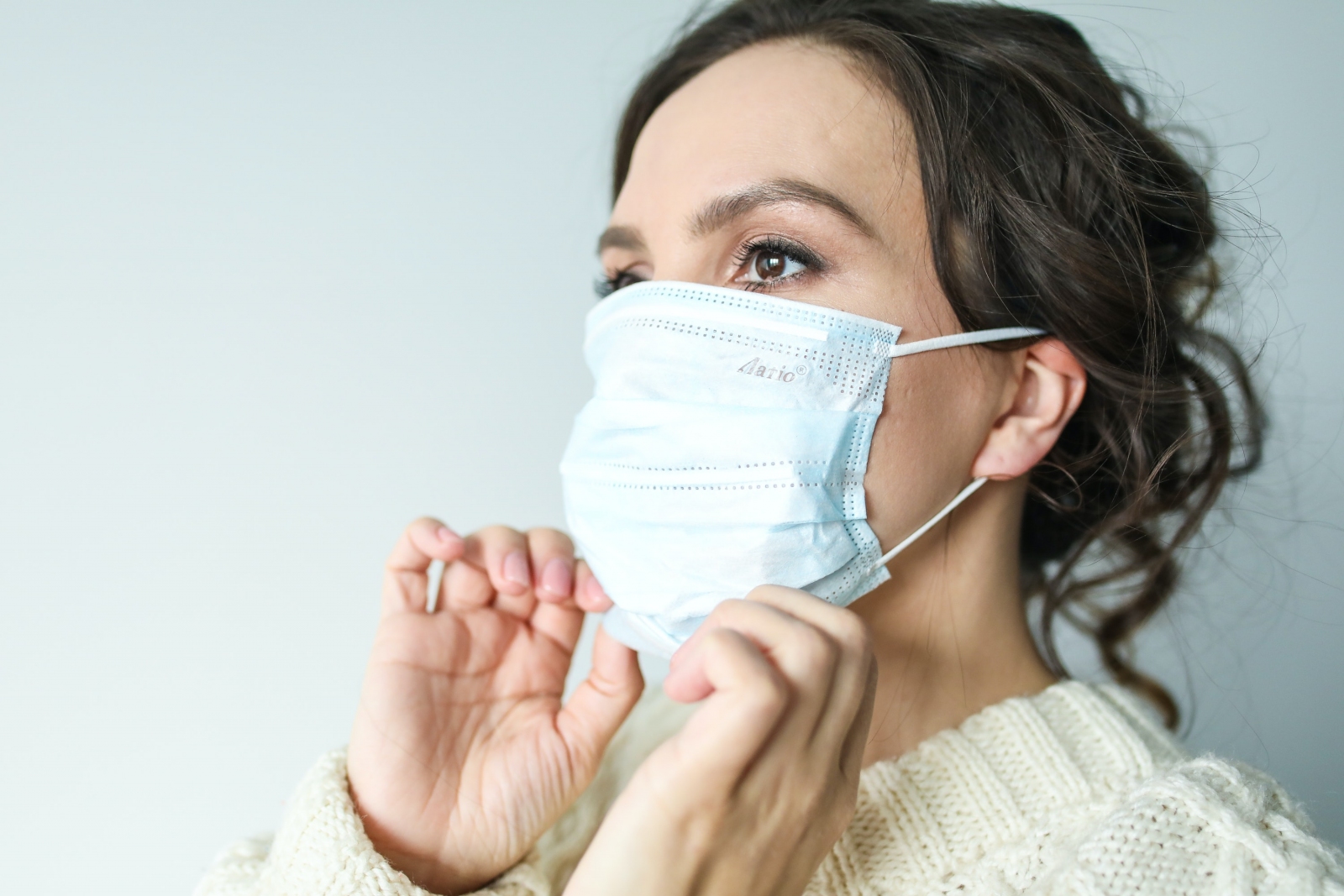
Although it was already a deeply ingrained cultural habit among Brazilians even before the pandemic, house cleaning has become even more important in people’s daily lives. According to Kimberly-Clark, 40% of Brazilians increased the frequency of their cleaning and began opting for more thorough cleaning after the pandemic.
In the cosmetics sector, lockdowns spurred new personal care habits, particularly in skincare. More than just an aesthetic concern, beauty routines have become a ritual for mental well-being.
Generation Z: More Demanding and Activist
Another factor to consider when discussing lifestyle is the increase in Generation Z’s purchasing power. Comprising the first digital natives, born between 1995 and 2010, this generation is more engaged with social, environmental, and political causes.
According to a survey conducted by the Consumoteca Group with young people from various Latin American countries, 63% of respondents say that personal care products are among the items they like most as consumers.
Unlike previous generations, this generation is not as influenced by the tradition of big-name brands: 51% say they don’t pay attention to the brand when shopping and state that their decisions are strongly driven by the experience and quality provided by the products, preferring to pay less while still making good purchases.
This generation also values sustainability, values, and ethics in the brands they consume, demanding clear positioning, commitment, and practical actions. 50% of Gen Z youth consider it important to buy products from companies that demonstrate environmental responsibility, and 40% want to follow and support only companies they consider ethical and transparent.
In an increasingly dynamic world, today’s young people are more interested in the experiences provided by consumption than in the identity reflected by the brands and items they buy.
Increasingly Digital Habits

A survey by APAS (São Paulo Supermarket Association), in partnership with Shopper Experience, which tracks the evolution of e-commerce, identified the categories that stand out the most in digital grocery shopping. Personal hygiene and beauty products ranked first. Cleaning supplies came in second. Food items appeared only after that.
As another legacy of the pandemic, digital shopping channels have gained ground in the purchase of hygiene products and cosmetics. The trend is for this segment to increase its digital presence as the purchasing power of Generation Z—which is far more dynamic and tech-savvy than previous generations—grows.
Sustainability and clean beauty
Concerns about environmental impact have increasingly influenced consumers’ purchasing decisions, leading to a more rigorous evaluation of brands and products on the market.
According to Euromonitor’s 2022 Lifestyle Survey, when it comes to environmental concerns, reducing plastic use, recycling, and using sustainable packaging are among consumers’ top priorities.
In addition, the use of more environmentally friendly energy sources, such as solar and wind power, as well as incentives for composting, recycling, and upcycling programs, also stand out, as shown in the chart below:
.jpeg)
When it comes to cosmetics, “clean beauty” has been drawing a lot of attention from consumers and is unlikely to be just a passing trend.
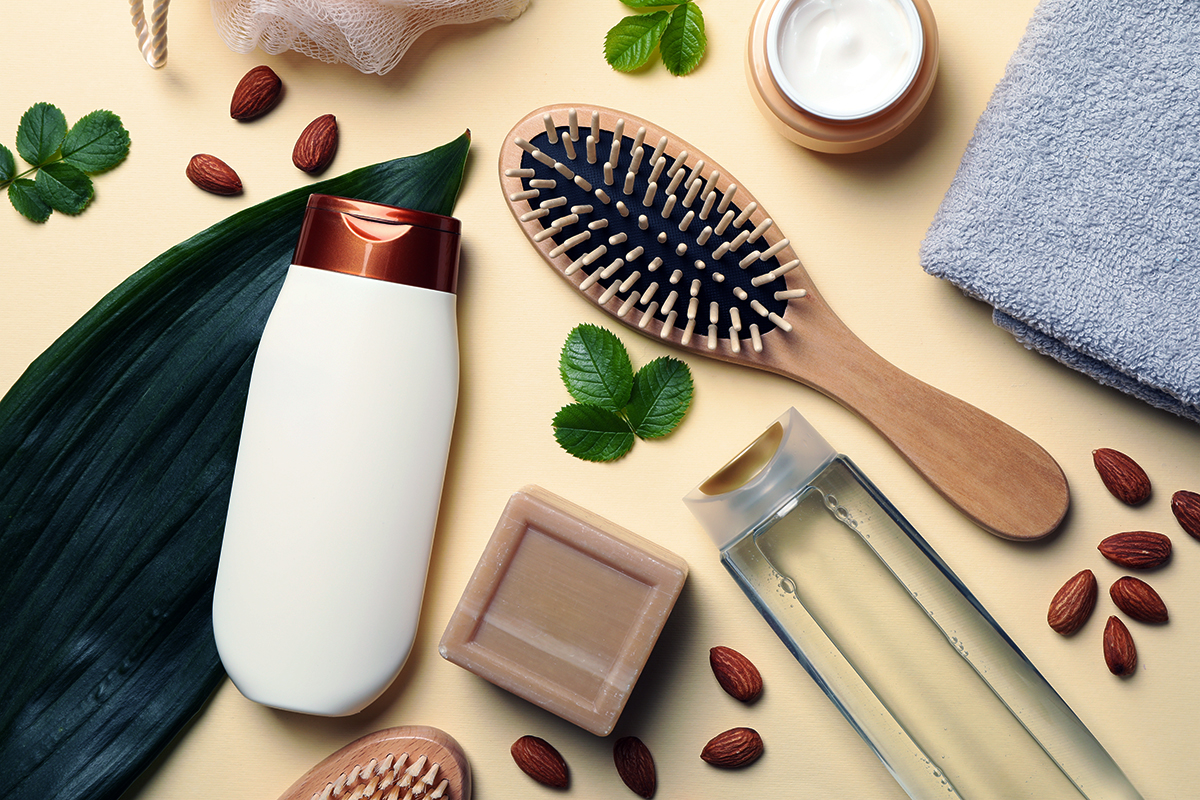
In general, the movement embraces beauty products considered “clean”: free of sulfates, silicones, parabens, and dyes; ocean-safe formulas; not tested on animals; and often vegan, in addition to recyclable, plastic-free, or refillable packaging.
In addition to environmental concerns, 81% of women believe that natural ingredients are safer for the skin, creating a trend that is likely to drive brands to innovate and go beyond traditional raw materials in their formulas.
.jpeg)
It is important to highlight that, rather than simply preaching sustainability, brands will need to deliver on their promises in a practical and responsible manner.
E-book with formulations for increasingly discerning consumers
There are several factors that influence consumer behavior. Despite persistent concerns about price, it is clear that effectiveness, convenience, and environmental concerns are playing an increasingly important role in purchasing decisions.
With so many demands, manufacturers will need to make an effort to adapt and win over these increasingly discerning and selective consumers.
Sustainable formulations are a trend that has become a necessity for Macler. The R&D department is deeply committed to innovating in the development of green products in order to replace traditional surfactants—such as nonylphenol and its derivatives, as well as petroleum-based ingredients—which are harmful to the environment.
To make your daily routine easier, we’ve prepared an e-book featuring 10 formulations for cleaning products and cosmetics made with raw materials that have a reduced environmental impact.
Click on the image below to download it:
Understand what HLB is used for and how it helps you choose the ideal surfactant to create more stable emulsions.
The quality of the formulation depends on the raw materials, and minor variations can lead to losses. With this in mind, Macler developed TrustScan, a proprietary evaluation methodology. Through it, we ensure reliable and safe final products.
Isogen QUALI, a Macler solution developed as a technological alternative to simplify detergent formulations, acting as a single base capable of replacing multiple surfactants simultaneously.
We use our labs to create
intelligent chemical solutions balanced with your reality.
We use our R&D center, our own laboratory with experienced professionals, to deliver intelligent chemical solutions in balance with your reality.
We use cookies on our site to give you the best experience possible. By continuing to browse the site, you agree to this use. For more information on how we use cookies, see our Privacy Policy.
