
Maria Rosângela MarcolinoAnalista de Qualidade na Macler

The ABNT NBR 14725:2023 standard governs the regulation and safety of chemical products. Learn about the changes in the version published in July of this year.
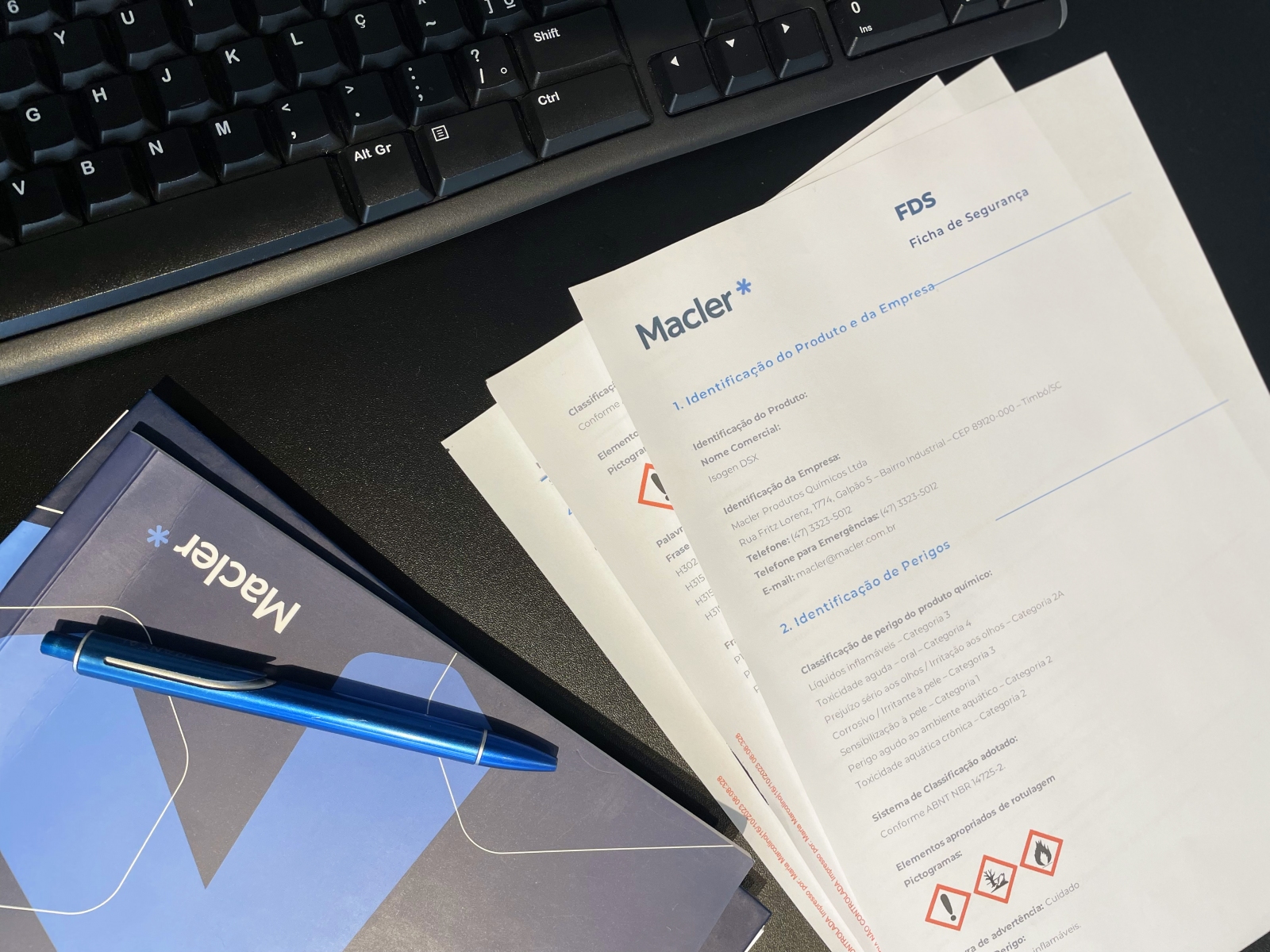
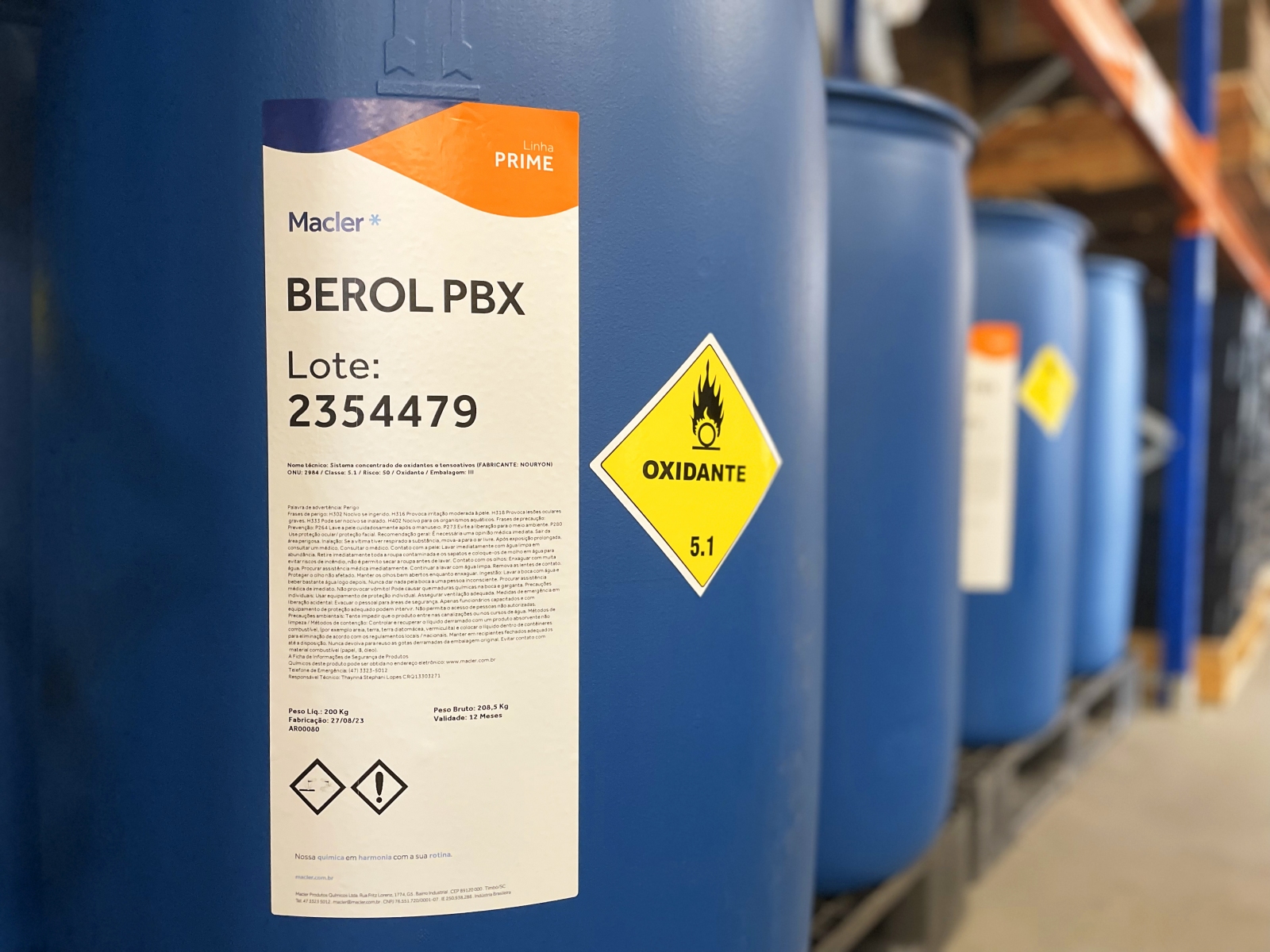
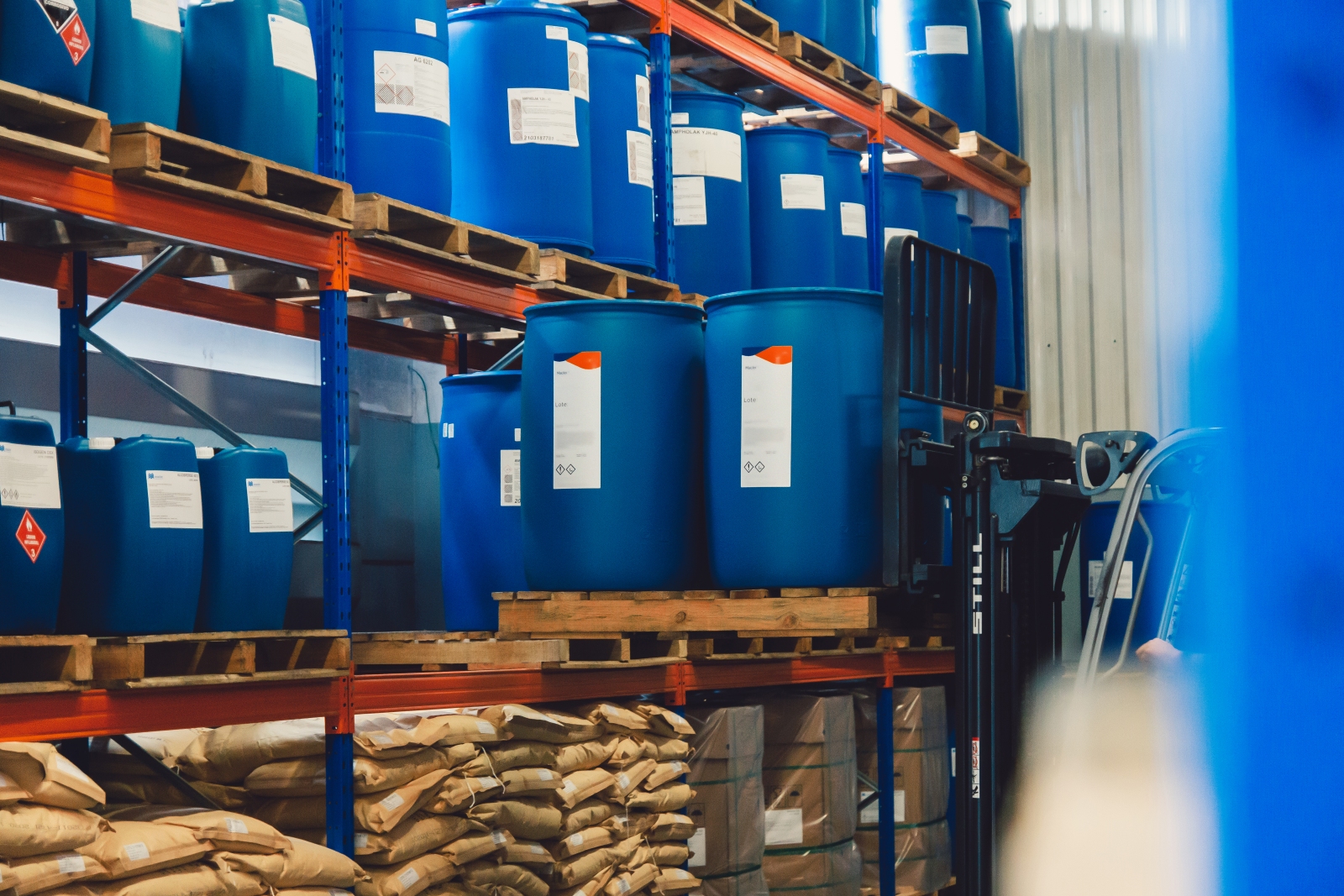
Safety in the transportation and handling of chemicals is of the utmost importance in various industrial sectors: in logistics, in the preservation of human health, and in environmental protection. It is essential that chemicals be properly identified, classified, and labeled.
The ABNT NBR 14725:2023 standard governs the regulation and safety of chemical products. On July 3, 2023, a new version was published, titled:
(ABNT) NBR 14725:2023 Chemicals—Safety, Health, and Environmental Information—General Aspects of the Globally Harmonized System (GHS), Classification, Safety Data Sheets (SDS), and Labeling of Chemicals.
Under this new version, all chemical manufacturers and companies that handle chemical waste must take note of the changes to ensure their operations remain in compliance with current regulations.
Key Changes
In line with international standards, including guidelines from the Purple Book, the Orange Book, and the GHS (Globally Harmonized System), this revision presents guidelines in seven sections and seventeen appendices. Information on new hazard classes, subcategories, and harmonized classification criteria has been added.
One of the main changes is the new terminology for the MSDS (Material Safety Data Sheet), which will now be called the SDS (Safety Data Sheet).
Two new hazard classes—Desensitized Explosives and Ozone-Depleting Substances—have been added to the classification system. In addition, new labeling rules have been included, involving changes to or the addition of hazard or precautionary statements.
Here is a summary of the changes:
Deadline for adjustment
Companies have 24 months from the publication of the standard to comply. Planning the review of documents is an excellent way to meet the deadline.
A thorough review of the standard is essential for preparing the SDS, in collaboration with a multidisciplinary team. Involving the relevant departments in the preparation process underscores the importance of classifying and labeling chemicals and allows for a more thorough review of the document.
Count on Macler as your chemical partner committed to following regulations
Macler recognizes its responsibility toward human health and the environment. For this reason, we remain vigilant regarding current regulations and are preparing to begin the review process by training a multidisciplinary team that includes professionals from R&D, Logistics, Marketing, Quality, and Technical Support, in order to effectively our documentation and strive for excellence in this process.
Understand what HLB is used for and how it helps you choose the ideal surfactant to create more stable emulsions.
The quality of the formulation depends on the raw materials, and minor variations can lead to losses. With this in mind, Macler developed TrustScan, a proprietary evaluation methodology. Through it, we ensure reliable and safe final products.
Isogen QUALI, a Macler solution developed as a technological alternative to simplify detergent formulations, acting as a single base capable of replacing multiple surfactants simultaneously.
We use our labs to create
intelligent chemical solutions balanced with your reality.
We use our R&D center, our own laboratory with experienced professionals, to deliver intelligent chemical solutions in balance with your reality.
We use cookies on our site to give you the best experience possible. By continuing to browse the site, you agree to this use. For more information on how we use cookies, see our Privacy Policy.
