
Macler offers tips for creating an effective glass cleaner
In the competitive cleaning products market, attention to detail in a glass cleaner formulation is essential for a quality product that meets consumer expectations.
At Macler's SmartLab, when developing a glass cleaner formulation that stands out, several key characteristics are considered:
- Efficient cleaning
- Quick drying
- Absence of stains and marks.
- Foam control
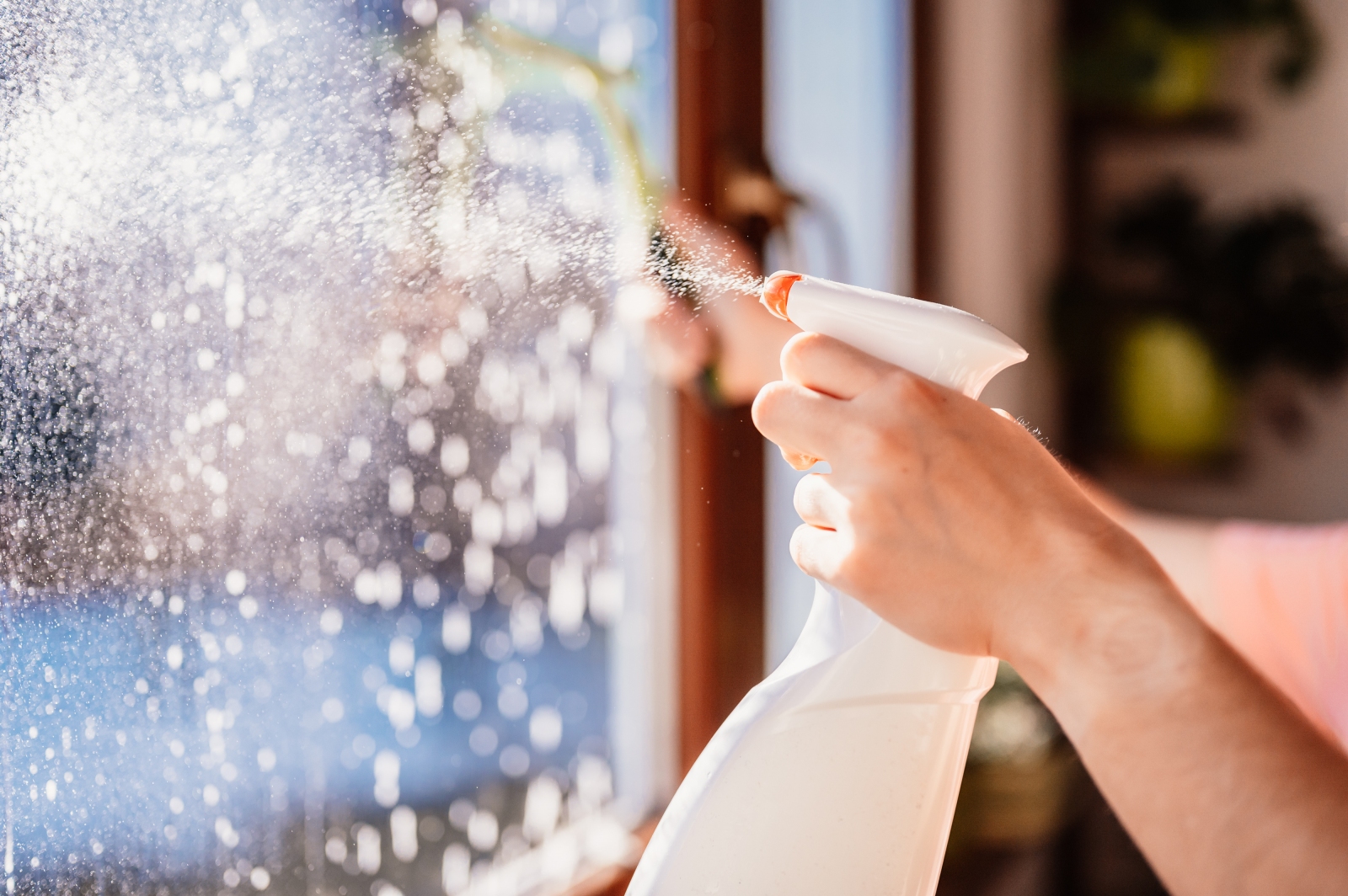
Check out Macler's tips on each of these points and the ideal components to ensure superior performance.
1. Efficient cleaning
Effective cleaning is the primary goal of any glass cleaner. When formulating a ready-to-use product, it is crucial to use the smallest amount of active ingredients possible, preventing residue from remaining after drying and causing stains.
It is recommended to use ethoxylated non-ionic surfactants, which offer high performance at low concentrations and controlled foaming. Unlike anionic surfactants, these surfactants do not form crystals upon drying, minimizing the risk of streaking. Therefore, the most efficient surfactants in this case are ethoxylated fatty alcohols with HLB values between 12 and 13.
One of the best examples is Berol 175, manufactured by Nouryon, a Dutch multinational company distributed by Macler. This product, in addition to being derived from plant sources, offers an excellent cost-benefit ratio.
2. Quick drying
Drying speed is an important factor in evaluating a product’s performance. When a glass cleaner dries quickly, it becomes easier to spot any residual dirt. To ensure efficient drying, ethyl or isopropyl alcohol is used, which also acts as a solvent for grease. Of the two, isopropyl alcohol stands out for drying more quickly.
However, it is important to be careful with the amount used. An excess of these components can accelerate drying too much, revealing dirt that would not be visible with more controlled drying, which can result in more streaks.
3. Absence of stains and marks.
In addition to the controlled use of surfactants and alcohols, the addition of glycols to the formulation is an effective strategy to prevent staining. Glycols, such as butyl glycol, butyldiglycol, propylene glycol, and hexylene glycol, tend to form a film on the surface, keeping it hydrated and preventing the formation of unwanted crystals.
However, the amount must be carefully balanced, as excessive use can lead to the formation of glycol droplets, which fog the glass surface.
4. Foam control
Non-ionic surfactants, such as Berol 175, not only provide high detergency but also have controlled foaming. Excess foam can hinder product removal and contribute to the formation of stains and marks. Therefore, proper foam control is vital for the effectiveness of the glass cleaner.
Extra: application method
In addition to the formulation, the way the product is used also influences its performance. Thus, the instructions for correct use on the packaging should also be highlighted.
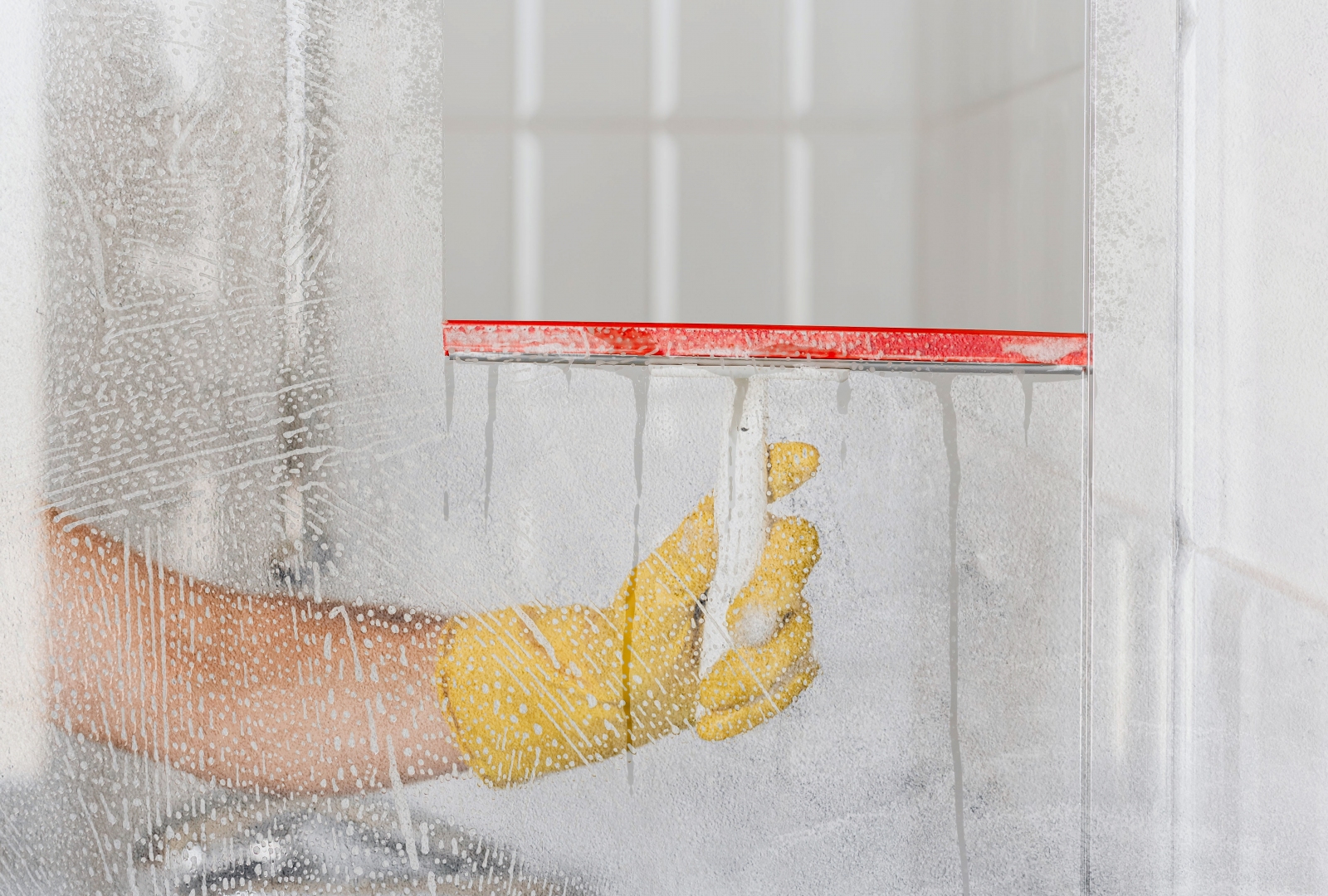
Many people apply glass cleaner with a cloth, which can leave streaks. The best practice is to use a spray bottle or squeeze bottle, spreading the product and wiping it away with a small squeegee. This technique, commonly used by professional window cleaners, minimizes streaking.
Formulation tip
When developing a glass cleaner, it is essential to take into account all the aspects mentioned. Therefore, Macler* proposes a suggestive formulation that combines excellent performance with a competitive cost, serving as a great starting point.
.png)
If a focus on differentiation is desired, the use of Berol LS, an exclusive blend of non-ionic surfactants with nano silica, manufactured by Nouryon and distributed by Macler, provides very low staining and has an anti-fog effect. However, it is important to note that the product does not retain its anti-fog properties if rinsed, so it is ideal for indoor use.
The formulation below has been widely used in automotive glass cleaners. When applied to the interior, it prevents the common fogging that occurs in winter. Furthermore, it is an excellent option for niche products, such as glass cleaners for shop windows and mirrors in retail environments and commercial establishments in general.
.png)
With these guidelines, formulators can create a glass cleaner that not only meets but exceeds consumer expectations, ensuring satisfaction and brand loyalty.
Contact Macler's SmartLab to develop a prototype that aligns with your specific needs.
Learn More
Understand what HLB is used for and how it helps you choose the ideal surfactant to create more stable emulsions.
The quality of the formulation depends on the raw materials, and minor variations can lead to losses. With this in mind, Macler developed TrustScan, a proprietary evaluation methodology. Through it, we ensure reliable and safe final products.
Isogen QUALI, a Macler solution developed as a technological alternative to simplify detergent formulations, acting as a single base capable of replacing multiple surfactants simultaneously.
Our chemistry
We use our labs to create
intelligent chemical solutions balanced with your reality.
Products
We use our R&D center, our own laboratory with experienced professionals, to deliver intelligent chemical solutions in balance with your reality.
