
Tributoxi Ethyl Phosphate (TBEP): A new solution for floor treatment in the Macler line
Macler is expanding its portfolio with the addition of a new substance: Tributoxy Ethyl Phosphate, better known by the acronym TBEP. This compound, also chemically called Tri(2-Butoxyethyl) Phosphate, is a highly versatile organic phosphate with diverse applications in different industries. In this article, we explore its main characteristics, properties, and uses in the market.
.jpg)
What is TBEP?
TBEP is an organic phosphate obtained from the reaction between phosphoryl chloride and butyl glycol. After the reaction, excess hydrochloric acid and butyl glycol are removed, although purification is not complete, resulting in a small amount of butyl glycol as an impurity in the final substance. Chemically, TBEP is classified as a trialkyl phosphate, in which each of the three alkyl groups is 2-butoxyethyl.
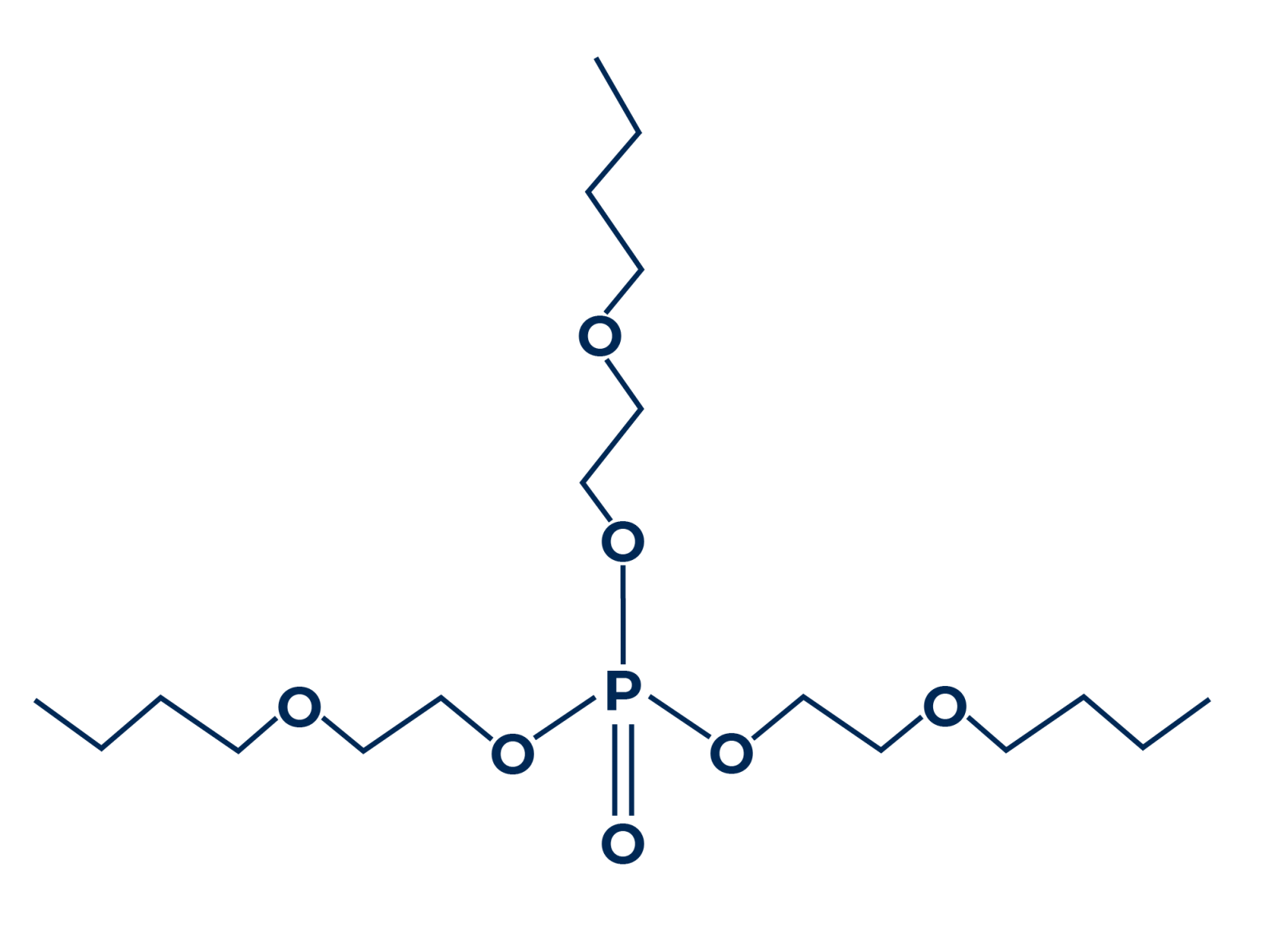
Physical and Chemical Properties
Regarding its physicochemical properties, TBEP presents some interesting characteristics:
- Solubility in water: The solubility of TBEP in water is quite low, around 1 mg per liter at 25 ºC, which is typical for phosphates that do not contain sodium, potassium, or ammonium.
- Solubility in organic solvents: TBEP is highly soluble in organic solvents, except for substances such as glycerin, glycols, and some amines.
Although it is a relatively safe substance to handle, TBEP presents some risks to handlers:
- Toxicity: TBEP is harmful if ingested, with an LD50 (lethal dose for 50% of the population) of 2,000 mg/kg.
- Irritation: It can cause skin and respiratory irritation, even though it is a non-volatile product.
Environmental Risks
From an environmental perspective, TBEP has low acute toxicity, but its use should be monitored, especially in products that may release phosphorus into the environment. When released in large quantities, phosphorus can contribute to eutrophication, a process that leads to oxygen depletion in water bodies and negatively affects aquatic fauna and flora.
TBEP Applications
TBEP is a substance with wide applicability, particularly in various industrial sectors. Among its main applications are:
1. Flame Retardant
One of the most important uses of TBEP is as a flame retardant; it is a halogen-free alternative, as halogens are known for their toxic properties. It has excellent thermal stability, and when incorporated into polymeric materials, it increases fire resistance, making them safer in applications that require high heat tolerance. This effect is also useful in hydraulic fluids and certain types of lubricants.
2. Plasticizer for Polymers
In addition to acting as a flame retardant, TBEP is also an effective plasticizer. When added to acrylic polymers, it contributes to a higher-gloss, higher-quality finish and reduces surface defects such as cracks and streaks. Its compatibility is not limited to acrylics: TBEP also works well with nitrile and chlorinated rubbers, improving their mechanical properties.
3. Use in Paints and Coatings
In the paint industry, TBEP is notable for its role as a solvent. Its coalescing properties help improve pigment spacing, resulting in a more uniform application. In addition, TBEP contributes to the development of pseudoplastic rheology (viscosity that decreases as the shear rate increases), a desirable characteristic in paints and coatings.
4. Compatibility with Waxes and Resins
Another important application of TBEP is its compatibility with waxes and resins, substances that are often difficult to work with. Its ability to act as a leveling agent facilitates the uniform distribution of these materials, resulting in more homogeneous surfaces. In addition, TBEP has low volatility, which contributes to the formation of protective films, leaving surfaces shinier and protected against dirt.
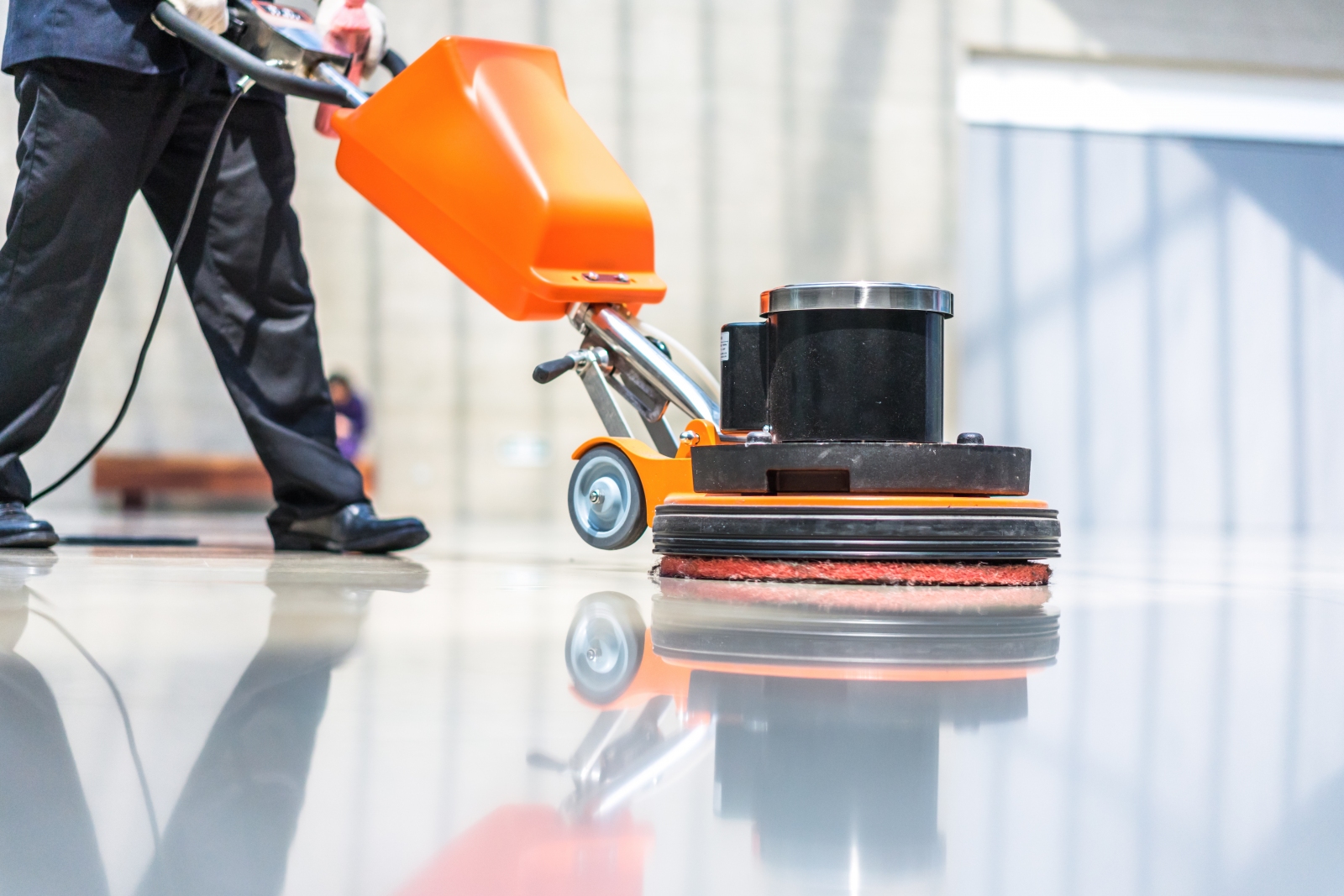
5. Use in Cleaning Products
TBEP can also be used as a solvent in cleaners, particularly for removing oily and greasy dirt. Its ability to form a protective film after application makes it an excellent ingredient for cleaning products that require both cleaning power and a protective finish.]
Get in touch with our experts.
Tributoxyethyl Phosphate (TBEP) is a highly versatile material with a wide range of applications in industries such as polymers, paints, waxes, resins, and cleaning products. Its properties as a flame retardant, plasticizer, and solvent, along with its compatibility with various materials, make it an excellent choice for high-performance solutions.
Contact our team of experts to request a quote and find out how we can help you find the best solution for your business.
Learn More
Isogen QUALI, a Macler solution developed as a technological alternative to simplify detergent formulations, acting as a single base capable of replacing multiple surfactants simultaneously.
Macler has developed Isogen EVOX, a solution that facilitates the development of formulations with hydrogen peroxide.
The term biodegradable is extremely widespread, and you have certainly come across it out there. But what is the true meaning of labeling something as biodegradable?
Our chemistry
We use our labs to create
intelligent chemical solutions balanced with your reality.
Products
We use our R&D center, our own laboratory with experienced professionals, to deliver intelligent chemical solutions in balance with your reality.
